Advocacy

Advancing policies that strengthen PACE

The NYS PACE Alliance advocates for policies that recognize PACE’s distinct model of care, support its growth, and strengthen access across New York.

We work with policymakers, state agencies, and partners to advance regulatory, enrollment, and payment policies that help PACE organizations deliver comprehensive care and serve more eligible New Yorkers.

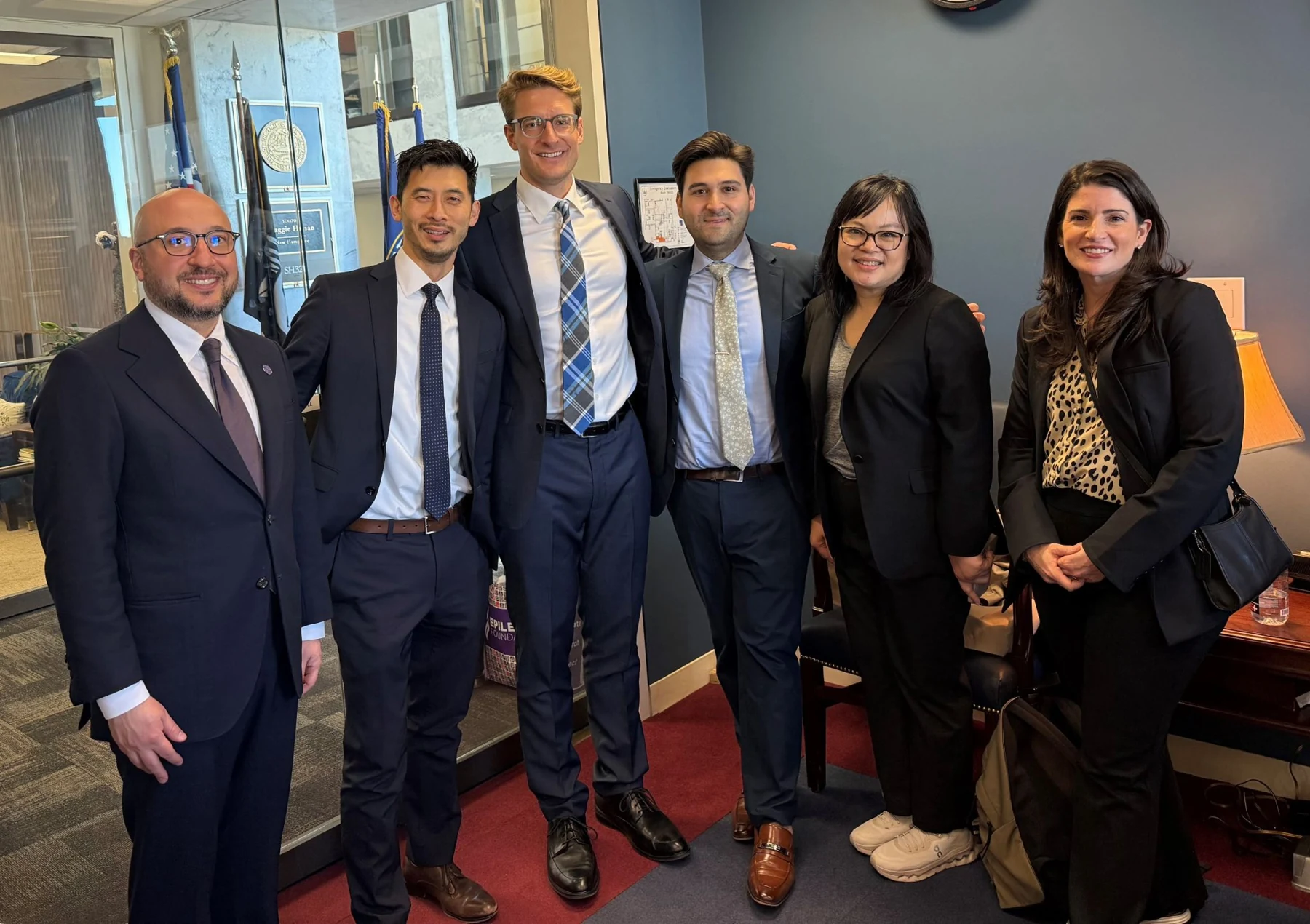
Six people posing together in an office.
NYS PACE Alliance advocacy meeting with Senator Chuck Schumer’s office — Washington, D.C. · March 2025

Our advocacy priorities

01

A regulatory framework that recognizes PACE

We advocate for a state-level regulatory framework that reflects PACE’s distinct model of care and aligns with federal PACE standards. Coordinated rules can reduce administrative duplication, support programs’ day-to-day operations, and help programs continue providing comprehensive care to a growing number of participants.


02

Timely access to care

We support clear, timely assessment and enrollment processes, including effective use of the Direct Eligibility Option (DEO), that reduce the time prospective participants wait to begin receiving PACE services.

03

Rates that sustain comprehensive care

Federal law requires Medicaid payments to PACE programs to be lower than what Medicaid would otherwise pay for participants’ care outside PACE. We advocate for transparent, predictable Medicaid payment methods and adequate rates that reflect participants’ needs and the comprehensive care PACE organizations are responsible for providing.

04

Expanding PACE access across New York

We support policies that help existing PACE programs grow and enable new programs to develop in communities with unmet needs. Our goal is to make PACE available to more eligible New Yorkers.

Progress and milestones

Through advocacy and collaboration, the NYS PACE Alliance has helped advance recognition of PACE and support programs across New York.

2023

A more direct path to PACE enrollment

The Alliance worked with New York State to create a presumptive eligibility enrollment pathway into PACE. Effective March 1, 2023, the Direct Eligibility Option (DEO) allowed PACE programs to assess and enroll qualifying Medicaid enrollees, with a retroactive verification review by the New York Independent Assessor, creating an expedited enrollment pathway designed to help people begin receiving care through PACE sooner.

NYSDOH policy
2022

A dedicated legal framework for PACE

The Alliance helped advance legislation establishing PACE as a distinct program under Article 29-EE of New York’s Public Health Law. Signed on December 28, 2022, the law directed the State to develop a unified licensure process for PACE—a significant step toward a regulatory framework that recognizes PACE’s unique model of care.

Article 29-EE
During COVID-19

Connecting programs through a crisis

The Alliance convened regular operational support calls for member programs to discuss changing requirements, share best practices, and adapt to remote care delivery. These conversations put the ongoing Alliance tradition of shared learning into practice during an especially challenging period.

Advocacy in action

We bring policymakers and partners together with PACE organizations to see the model in practice, understand the issues programs face, and discuss opportunities to expand access across New York.

Group posing together in a room with wood flooring and a diner-style seating area.
Senator Kirsten Gillibrand’s office visits ArchCare’s TCC PACE programHarlem · August 2026
Four people posing together indoors.
Commissioner McDonald visits ArchCare’s TCC PACE programHarlem · November 2025
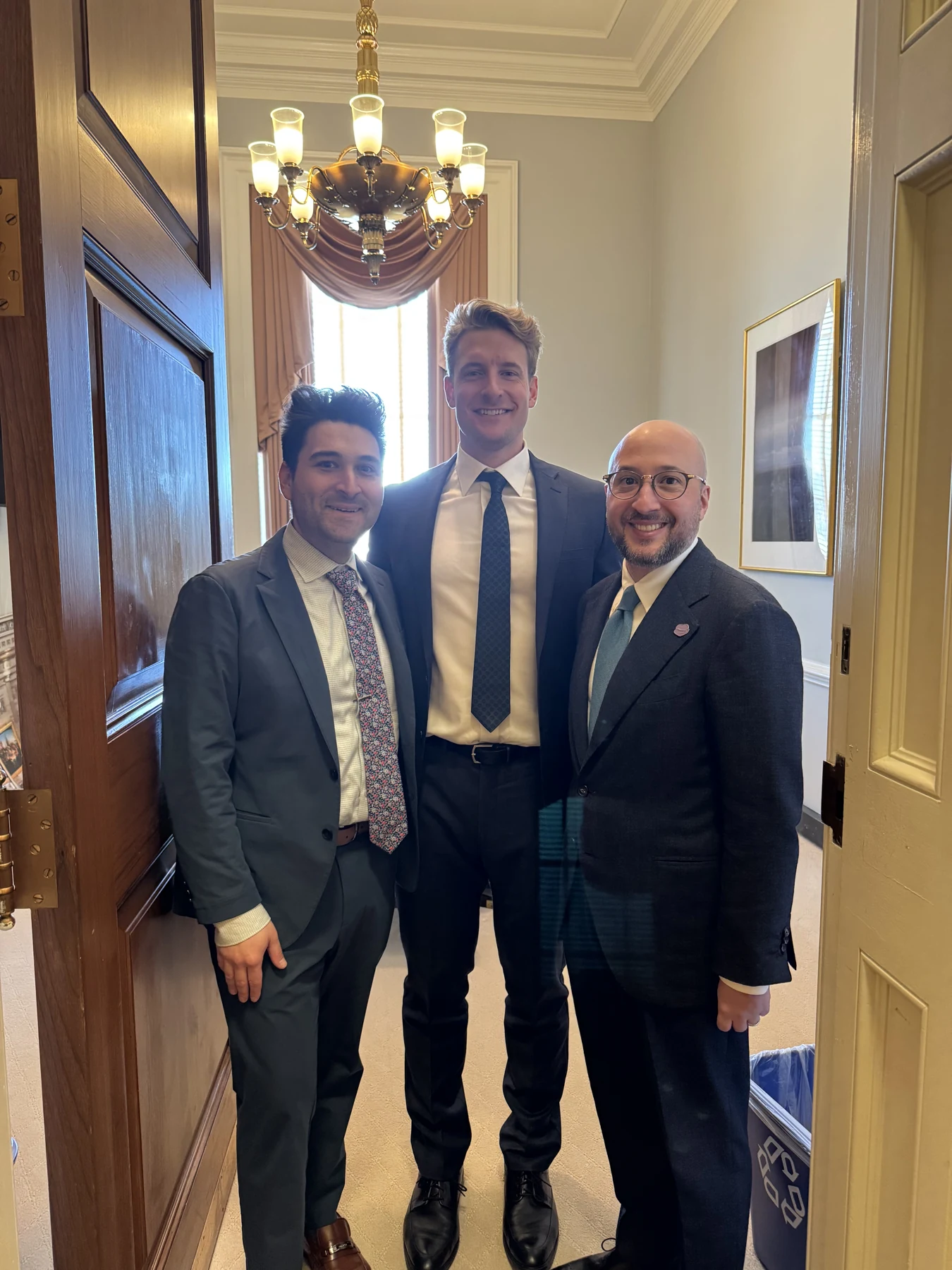
Three people in business attire standing together in a doorway beneath a chandelier.
Alliance advocacy meeting with Senate Leader Charles Schumer office in the Capitol BuildingWashington, D.C., March 2025

Connect with the Alliance

We welcome conversations with policymakers, partners, and organizations interested in advancing PACE across New York. Contact us to discuss advocacy priorities, ask policy questions, or explore opportunities to work together.

Contact the Alliance